ProFractional Laser Skin Resurfacing

What is ProFractional Laser Skin Resurfacing?
ProFractional laser skin resurfacing is an advanced aesthetic and corrective treatment designed to improve skin texture, tone, and overall skin quality by stimulating the body’s natural regenerative processes. Using fractional ablative erbium laser technology, ProFractional creates controlled microscopic treatment zones within the skin, triggering collagen remodeling while preserving surrounding tissue to promote faster, more predictable healing.
What Makes ProFractional Different?
ProFractional utilizes a fractional ablative erbium:YAG laser wavelength (2940 nm), which is highly absorbed by water in the skin. This high absorption allows for extremely precise tissue ablation with minimal thermal spread to adjacent structures. Unlike traditional full-field ablative resurfacing, ProFractional treats only a fraction of the skin during each session, leaving bridges of intact tissue between treatment zones to support rapid re-epithelialization.
This fractional delivery model enables providers to customize treatment depth, density, and intensity, tailoring each procedure to the patient’s skin type, concerns, and tolerance for downtime while maintaining a strong safety profile.
How Does ProFractional Work?
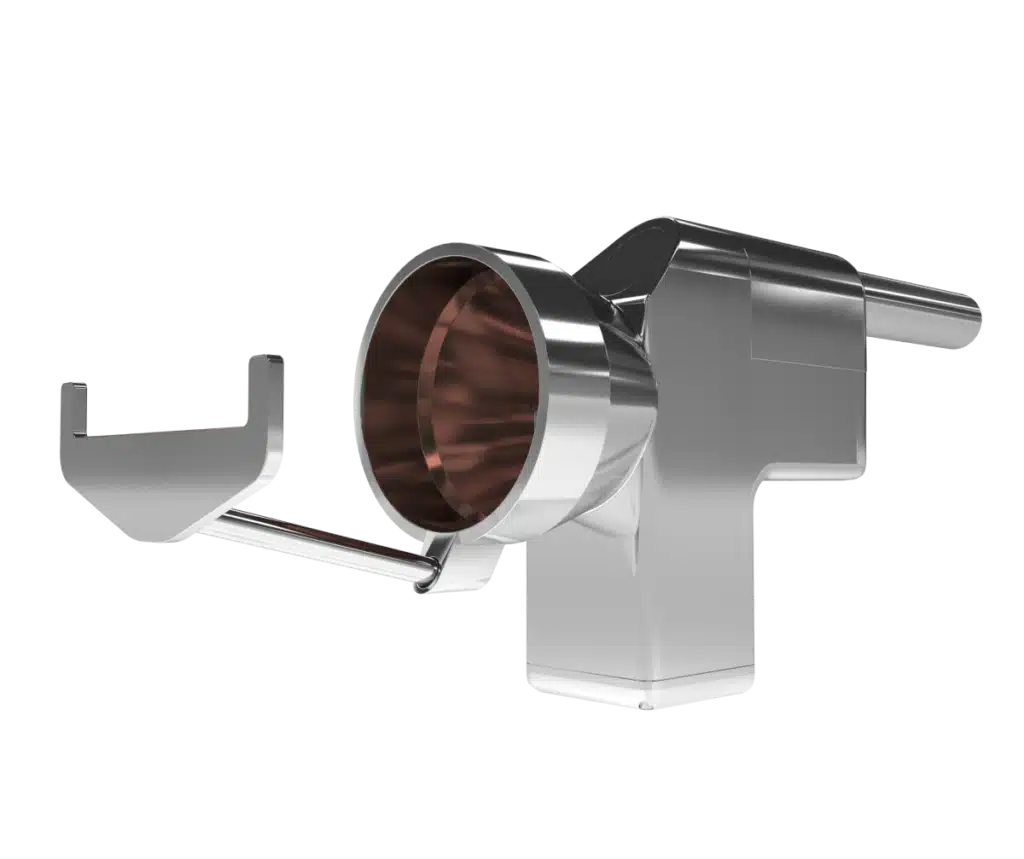
During treatment, the laser creates thousands of microscopic vertical channels extending from the epidermis into the dermis. These micro-channels initiate a controlled wound-healing cascade, activating fibroblasts and stimulating the production of new collagen and elastin.
Because untreated skin remains between the channels, epithelial repair occurs more rapidly than with traditional ablative resurfacing. Over time, progressive collagen remodeling leads to smoother texture, improved firmness, and more even skin tone, with results continuing to evolve for months following treatment.
Concerns Commonly Treated


ProFractional laser resurfacing is used to improve a wide range of aesthetic and corrective skin concerns.
Treatment can be performed on the face and select areas of the neck, chest, and body, depending on individual anatomy and treatment goals.
Treated Concerns Include:
- Fine lines and wrinkles
- Uneven skin texture and roughness
- Sun damage and photodamage
- Acne scars and superficial scarring
- Enlarged pores
- Dull or aging skin tone
- Select precancerous skin changes such as actinic keratoses (under professional supervision)
Your ProFractional Laser Skin Resurfacing Journey at Saxon MD
Before Treatment
A topical anesthetic is typically applied to enhance patient comfort. The skin is cleansed, and appropriate laser safety protocols are followed, including placement of corneal eye shields. In some cases, regional nerve blocks may be administered prior to treatment.
During Treatment
The laser handpiece is passed methodically across the treatment area, delivering fractional energy in a precise, predefined pattern. Active laser time typically ranges from 30 to 60 minutes, while the total appointment time averages 60 to 180 minutes, depending on the size of the treatment area, treatment depth, and preparation required.
After Treatment
Following the procedure, the skin commonly appears erythematous and feels warm, similar to a sunburn. Mild swelling and sensitivity are expected in the initial days. As healing progresses, dryness and light flaking may occur.
Recovery and Downtime
Recovery time varies based on treatment depth, density, and individual healing response. Many patients resume normal daily activities within approximately one week, while deeper treatments may require additional downtime.
Because ProFractional preserves untreated skin between laser channels, healing is typically faster and more predictable than with traditional full-field ablative resurfacing. Adherence to post-treatment care instructions is essential to support optimal healing and results.
Results and Long-Term Benefits
Initial improvements in skin texture and brightness may be visible as healing begins; however, the most significant results develop gradually. Collagen remodeling continues for weeks to months, leading to progressive improvement in firmness, smoothness, and overall skin quality.
For certain concerns, a series of treatments may be recommended. With proper maintenance and sun protection, results can last for years, though natural aging continues.


Why Patients Choose ProFractional:
- Highly customizable treatment depth and intensity
- Fractional approach supports faster healing
- Encourages natural collagen regeneration
- Effective for aging, scarring, and textural concerns
- Can address select precancerous skin changes under professional supervision
- Backed by established laser science and clinical use
Candidate Considerations
ProFractional may be appropriate for individuals seeking meaningful skin improvement without the prolonged downtime associated with traditional ablative resurfacing. Ideal candidates are generally in good health and do not have active skin infections, untreated skin cancers, or conditions that impair wound healing.
A personalized consultation with a qualified provider is essential to assess candidacy, establish expectations, and customize treatment parameters based on skin type and goals.
Safety and Clinical Considerations
When performed by trained professionals, ProFractional laser resurfacing has a strong safety profile. Temporary redness, swelling, and sensitivity are common and expected. As with any ablative laser procedure, there is a small risk of pigment alteration, infection, or delayed healing, which can be minimized through careful patient selection, conservative treatment settings, and adherence to post-procedure care instructions.
In addition to improving skin texture and tone, fractional ablative laser treatments can address select precancerous skin changes by removing the superficial layers of affected tissue. This allows healthier skin to regenerate while stimulating collagen production. Fractionated laser resurfacing may help protect the skin by reducing the accumulation of UVB-damaged keratinocytes, suggesting a potential role in reducing or preventing age-related non-melanoma skin cancers, as demonstrated in a peer-reviewed study published in the Journal of Investigative Dermatology (Spandau et al., 2012).
It is important to note that while fractional laser resurfacing can reduce existing precancerous lesions and improve cellular responses to UV damage, it does not replace sun protection or routine dermatologic monitoring, which remain essential for long-term skin health.
The Science Behind ProFractional
Technology
Sciton’s ProFractional fractional erbium laser delivers precise ablation depths ranging from approximately 25 µm to 1500 µm, allowing for superficial to deep resurfacing. Treatment density determines overall aggressiveness, with higher densities producing more pronounced results and increased downtime.
ProFractional utilizes 25 µm and 430 µm spot sizes with predefined density patterns. These patterns employ randomized energy placement, which can reduce thermal stacking and improve patient comfort while maintaining consistent treatment coverage.
Expected Outcomes and Maintenance
Initial visible improvements typically appear within 3–5 days, with continued enhancement over the following weeks. Most patients experience ongoing improvement for up to six months after a single treatment as collagen remodeling progresses.
For optimal results, an initial series of 2–4 treatments may be recommended, followed by maintenance treatments every 12–18 months, depending on skin condition, goals, and lifestyle factors.
Sources
Spandau, D. F., Lewis, D. A., Somani, A.-K., & Travers, J. B. (2012). Fractionated laser resurfacing corrects the inappropriate UVB response in geriatric skin. The Journal of Investigative Dermatology, 132(6), 1591–1596. https://doi.org/10.1038/jid.2012.29
- Laser Treatments, Skincare
Fighting the Pregnancy Mask Dealing with those stubborn dark patches during and after pregnancy? You’re not alone. Here’s your comprehensive
- Facelift and Necklift, Laser Treatments
Fine Lines vs. Deep Rhytids Wrinkles are an inevitable part of aging—but not all wrinkles are created equal. You may
- Laser Treatments
Day by Day Halo Laser Recovery Pictures: What to Expect After Your Treatment At Saxon MD, we understand that undergoing
- Laser Treatments, Skincare
How to Improve Skin Texture on the Face Smooth, radiant skin is often viewed as the ultimate beauty goal, with
- Blepharoplasty, Brow Lift, Laser Treatments, Morpheus8, Skincare
How to Get Rid of Forehead Wrinkles: A Comprehensive Guide If you’re searching for solutions on how to get rid
Why Choose Saxon MD?
Dr. Sarah Saxon is a double-board-certified facial plastic surgeon in Austin and Dallas, Texas. Her patients come from all over the country to enjoy her artistic surgical experience for natural and beautiful results. Dr. Saxon is a leading facial plastic surgeon with a deep understanding of facial anatomy and extensive experience performing brow bone reduction procedures, including Type 3 reductions.
If you’re considering brow bone reduction surgery to achieve a more balanced and aesthetically pleasing upper face, contact Saxon MD today to schedule a consultation with Dr. Saxon.
