
Jaw Angle Implants
Jaw angle implants have become one of the most talked-about facial procedures in recent years. Scroll through social media, celebrity photos, or before-and-after galleries, and you’ll quickly notice a trend toward sharper, wider, more angular jawlines in both men and women. The mandibular angle—once something most people never thought about—has suddenly become a focal point of facial aesthetics.
But as with many cosmetic trends, jaw angle implants are more complex than they appear on the surface. While they can dramatically change the shape of the lower face, they also come with unique anatomical challenges and long-term considerations that are often glossed over online.
In this article, we’ll take a deep dive into jaw angle implants: what they are, the anatomy involved, why people consider them, the different implant materials available, and—most importantly—why I no longer place them. We’ll also discuss safer and more flexible alternatives for enhancing the jawline without implants, and why trends should never outweigh comfort and long-term satisfaction.
Understanding the Anatomy of the Mandible
To understand jaw angle implants, it helps to first understand the anatomy of the mandible, or lower jawbone.
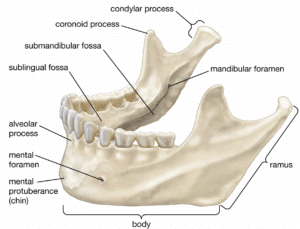
The mandible is the largest and strongest bone of the face. It has several key parts:
The body of the mandible, which forms the horizontal portion of the jaw and supports the lower teeth
The ramus, the vertical portion that extends upward toward the ear
The mandibular angle, which is the corner where the body and ramus meet
This mandibular angle plays a major role in how strong, sharp, or soft the jawline appears. A more acute angle can look delicate and tapered, while a more pronounced, squared angle is often associated with strength, youthfulness, or athleticism.
Covering this bony angle is the masseter muscle, one of the strongest muscles in the human body. The masseter is responsible for chewing and clenching, and it contracts thousands of times a day—often without us realizing it. This muscle is thick, powerful, and constantly active, which becomes critically important when discussing jaw angle implants.
Why People Consider Jaw Angle Implants
People seek jaw angle implants for a variety of reasons, and those motivations are not inherently wrong.
Some of the most common reasons include:
A naturally narrow or underdeveloped jaw
Facial asymmetry
Age-related bone resorption
Desire for a more masculine or angular appearance
Desire for a more defined jawline in photos and videos
In recent years, jaw angle implants have surged in popularity due to aesthetic trends. A wide, sharp mandibular angle has become associated with beauty, confidence, and youth—particularly on social media platforms where lighting, filters, and angles exaggerate bone structure.
For some patients, jaw angle implants are seen as a permanent solution compared to injectable treatments. The idea of “one surgery and done” can be appealing, especially for those who dislike maintenance treatments.
However, permanence is a double-edged sword.

What Are Jaw Angle Implants?
Jaw angle implants are solid implants placed along the back corners of the mandible to enhance width, projection, or angularity.
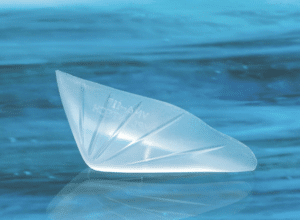
They are surgically inserted through incisions inside the mouth or under the jawline and positioned directly over the mandibular angle. Once placed, they are intended to integrate with the surrounding tissues and remain indefinitely.
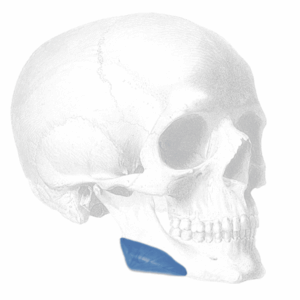
Jaw angle implants are often marketed as predictable and powerful tools for jawline enhancement—but this framing leaves out a critical piece of information: they sit underneath the masseter muscle.
This single anatomical fact is responsible for many of the long-term issues patients experience.
Implant Materials Used for Jaw Angle Implants
There are several materials commonly used for jaw angle implants. Each has advantages and disadvantages.
Silicone Jaw Angle Implants
Silicone implants are smooth, flexible, and widely used in facial surgery.
Pros:
Softer feel
Easier to remove if necessary
Lower risk of tissue ingrowth
Cons:
Can shift over time
Still sit under the masseter muscle
Do not eliminate discomfort from muscle contraction
Silicone jaw angle implants are often chosen because they are reversible, but “removable” does not mean “comfortable while in place.”
Medpor (Porous Polyethylene) Jaw Angle Implants
Medpor implants are rigid and porous, allowing tissue to grow into them.
Pros:
Very stable once healed
Less likely to shift
Strong structural support
Cons:
Extremely difficult to remove
Higher risk of nerve irritation
Tissue ingrowth can complicate revision surgery
For jaw angle implants, Medpor can be particularly problematic because removal—if the patient becomes uncomfortable—can be complex and traumatic to surrounding tissues.
Custom Jaw Angle Implants
Custom implants are designed from 3D CT scans and tailored to the patient’s anatomy.
Pros:
Precise fit
Ability to customize width, height, and projection
Often aesthetically impressive on imaging
Cons:
Still sit under the masseter muscle
Expensive
Removal can be challenging
Comfort issues are not eliminated
Even perfectly designed custom jaw angle implants cannot override basic anatomy. A powerful muscle contracting over a rigid object can cause problems, regardless of how well that object fits.
Why I Stopped Placing Jaw Angle Implants
Although jaw angle implants can look good—sometimes very good—I stopped placing them for one primary reason: patients frequently want them removed.
The issue is not always the appearance. In many cases, patients are initially happy with how they look. The problem is how they feel.
Jaw angle implants sit beneath the masseter muscle. Every time you chew, clench, talk, or grind your teeth, that muscle contracts over the implant. For some patients, this sensation is subtle at first. Over time, however, it can become:
Constantly noticeable
Distracting
Uncomfortable
Painful
Some patients describe a persistent awareness of the implant. Others experience deep aching, muscle fatigue, or sharp discomfort during chewing. In patients who clench or grind their teeth (often unknowingly), symptoms can be amplified.
Long-term pain and irritation are not outcomes anyone signs up for when pursuing an aesthetic procedure.
The Masseter Muscle: The Real Issue With Jaw Angle Implants
The masseter muscle is unique. It is:
Thick
Powerful
Highly active
Closely associated with jaw function
Unlike implants placed in relatively static areas of the face, jaw angle implants are placed in one of the most dynamic muscular regions of the body.
Muscle contraction against an implant is not benign. Over time, it can lead to inflammation, nerve irritation, and chronic discomfort. Even when the implant is positioned correctly, the body may simply not tolerate a foreign object in this location long term.
This is why jaw angle implants have a disproportionately high removal rate compared to many other facial implants.
Non-Surgical Alternatives to Jaw Angle Implants
The good news is that jaw angle implants are not the only way to enhance the mandibular angle. In fact, many alternatives are safer, more comfortable, and more adaptable over time.
Dermal Fillers as an Alternative to Jaw Angle Implants
Dermal fillers are one of the most popular alternatives to jaw angle implants. When placed correctly, they can enhance structure while maintaining flexibility.
Fillers Commonly Used for the Jawline
Juvederm Volux – Specifically designed for jawline definition
Radiesse – Provides structure and can stimulate collagen
Restylane Lyft – Strong support with some flexibility
Unlike jaw angle implants, fillers do not sit rigidly beneath the masseter muscle. They move with the tissues and can be adjusted or dissolved if needed.
Advantages of fillers:
No surgery
Minimal downtime
Adjustable and reversible
Lower risk of chronic discomfort
While fillers are not permanent, this is often a benefit rather than a drawback. Faces change with age, and flexibility matters.
Using the Masseter Muscle Itself for Jaw Enhancement
Another alternative to jaw angle implants is increasing the bulk of the masseter muscle naturally.
Some patients develop stronger jawlines through:
Targeted jaw exercises
Increased chewing activity (with caution)
As the masseter muscle hypertrophies, it can create a wider, more squared jaw appearance. This approach must be balanced carefully, as excessive masseter hypertrophy can also contribute to jaw tension or headaches.
In select patients, this can be a subtle and natural way to enhance the jawline without implants.

Sharpening the Jawline Without Adding Volume
Not everyone needs more width at the jaw angle. In many cases, the jawline appears soft because of skin laxity rather than bone structure.
Facelift and Neck Lift Options
A facelift or neck lift can dramatically improve jawline definition by:
Removing excess skin
Tightening underlying tissues
Restoring a clean mandibular border
For patients with jowling or neck laxity, these procedures can sharpen the jawline far more effectively than jaw angle implants—without placing anything under the masseter muscle.
Final Thoughts on Jaw Angle Implants
Jaw angle implants can create dramatic changes in facial structure, but they also come with unique risks that deserve serious consideration. The anatomy of the mandible and the power of the masseter muscle make this area particularly unforgiving for rigid implants.
While jaw angle implants may look good initially, the long-term discomfort many patients experience is the reason I no longer place them. Fortunately, there are excellent alternatives—from dermal fillers to surgical lifting procedures—that can enhance the jawline without placing an implant under one of the strongest muscles in the body.
A beautiful jawline should feel as good as it looks. When evaluating jaw angle implants, comfort, adaptability, and long-term satisfaction should always come first.
- Nonsurgical Jaw Augmentation vs Jaw Implants: Which is Best?
- Correcting a Recessed Chin: Sliding Genioplasty vs Chin Implant
- How to Get a Better Jawline: Surgical and Nonsurgical Strategies
- Jaw Surgery Recovery and Potential Complications
